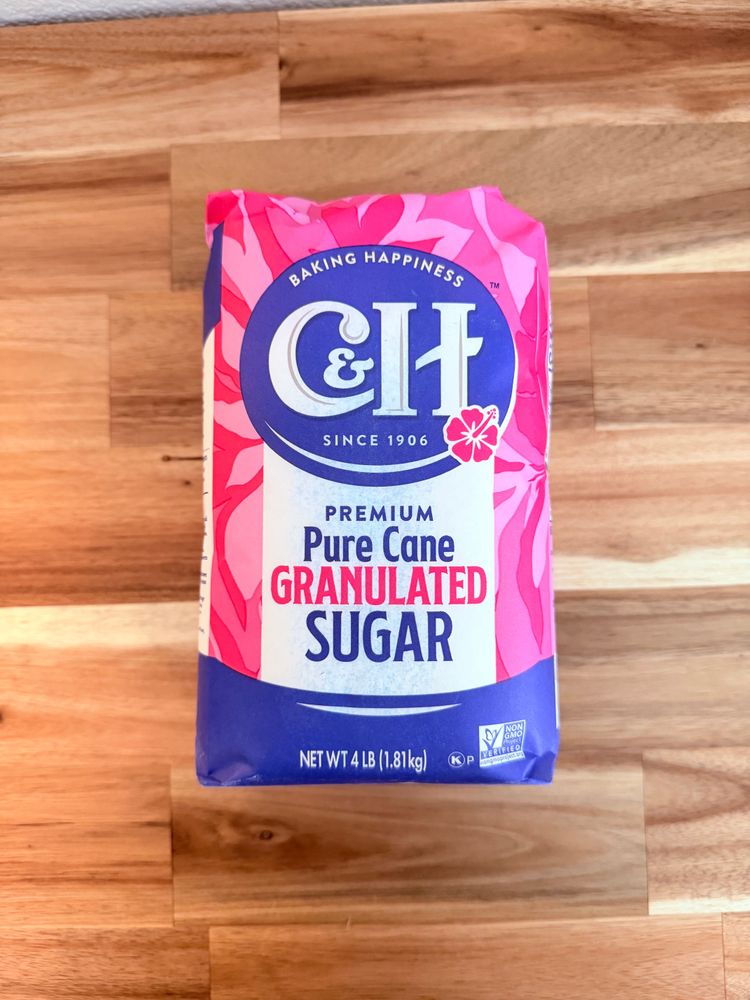
Dogs can eat plain sugar without poisoning themselves—white sugar, brown sugar, and cane syrup aren't toxic the way chocolate or xylitol are. But "not toxic" isn't "good." Sugar gives your dog nothing biologically useful, and it quietly hands his teeth a problem they're not built to fight.
Your dog will happily take it, by the way. Dogs have working sweet-taste receptors much like ours, so a sugary treat tastes good to them even though they have zero metabolic need for it. Wanting it and needing it are two different things—and that gap is the whole story here.
No. A lick of frosting or a sugary biscuit won't send your dog into toxic shock—that fear gets repeated online but it's wrong for plain refined sugar. The danger people imagine just isn't the danger that's real.
The real cost is slower and sneakier. Sugar is empty calories that crowd out the nutrition a balanced meal should be delivering, so a dog who fills up on sweet treats is eating worse without anyone noticing the swap. And every time sugar coats the teeth, it sets off a chemical process that wears down enamel. Neither problem shows up the day your dog eats the treat. Both add up over months.
Here's the part most articles skip. Dogs rarely get cavities—only around 5% of them—and there's a real reason for that, not just luck.
A dog's mouth runs alkaline. Salivary pH sits around 7.5 to 8.0, well above the acidic range where tooth decay thrives, and that high pH acts as a constant buffer, neutralizing the acids that rot teeth before they can do damage. It's a built-in defense humans simply don't have; our saliva runs more acidic, which is part of why cavities are so common in people and so rare in dogs.
Processed sugar dismantles that defense. The moment sugar sits on the tooth, oral bacteria start fermenting it, and as they digest it they release organic acids—lactic, acetic, propionic—that diffuse into the enamel and strip out its minerals. Dr. Fraser A. Hale, Board-Certified Veterinary Dentist (FAVD, DipAVDC), writes in The Canadian Veterinary Journal that "a diet high in highly refined and easily fermentable carbohydrates will favor the development of caries." In plain terms: the more refined sugar in the diet, the more the mouth's natural protection gets overwhelmed.
And canine enamel is thin. We're talking under 0.6 mm—far thinner than the layer protecting your own teeth. Once acid breaches that shell, it reaches the softer dentin underneath fast. So the defense that kept your dog cavity-free for years can fold quickly once sugar tips the pH balance the wrong way. Think of it as a thin coat of paint over soft wood: fine until something eats through the paint, then the damage moves quickly.
The trap isn't the sugar bowl. Most owners would never spoon sugar into a dog's mouth on purpose. The trap is the bag of soft, chewy, store-bought treats marketed straight at dogs—the ones that look wholesome on the front and list sugar, cane syrup, molasses, or corn syrup a few lines into the ingredients.
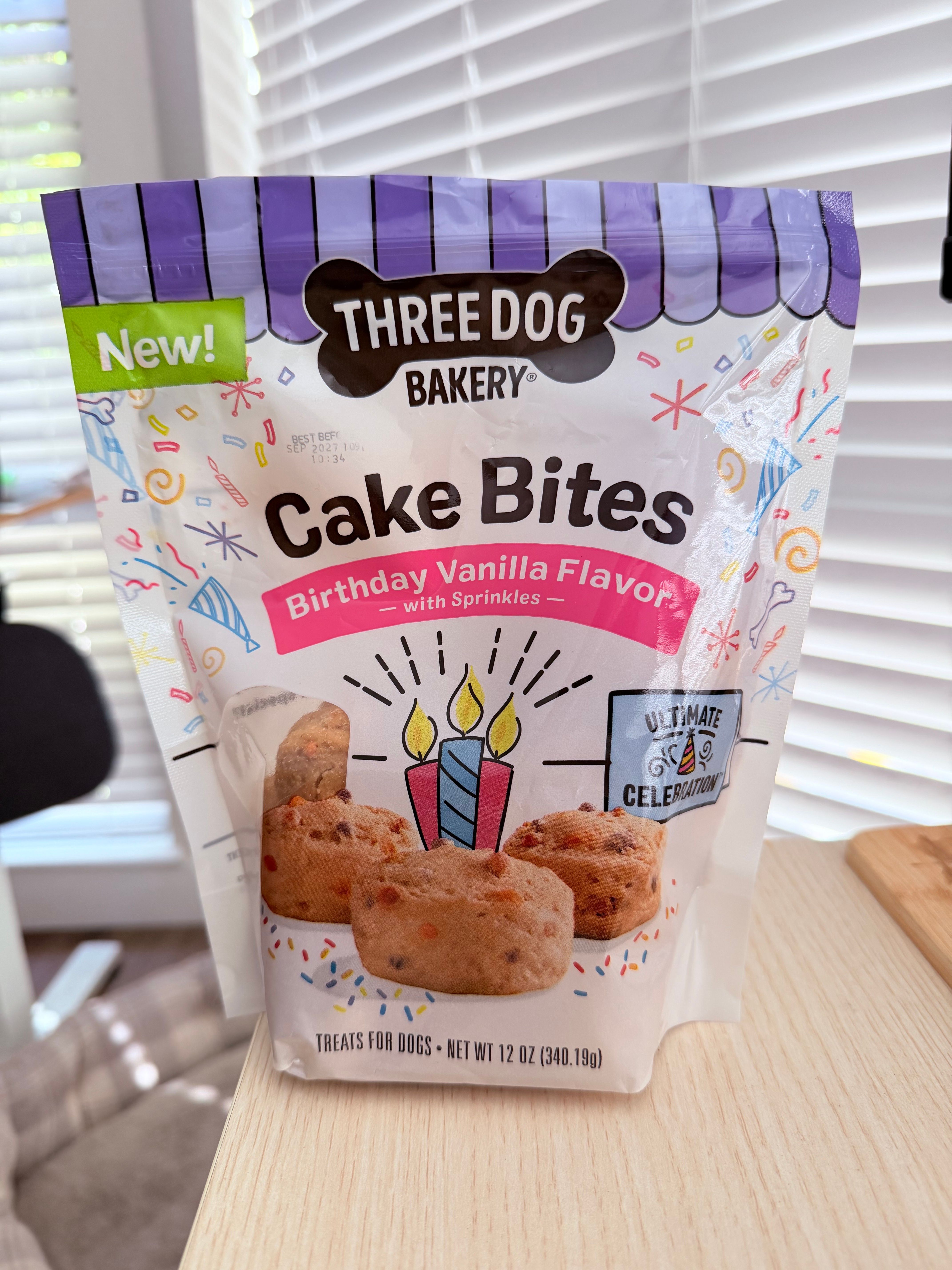
A treat being sold for dogs doesn't mean it's free of refined sugar. Soft-baked and "bakery-style" treats especially lean on sugars and syrups for texture and shelf appeal, the same way human baked goods do. So flip the bag over. If a sweetener shows up near the top of the ingredient list, you're feeding your dog the exact fermentable carbohydrate that feeds enamel-eroding bacteria—just in friendlier packaging.
A single sugary bite won't hurt your dog, so don't panic over a one-off. But a treat built on refined sugar earns no place in the daily rotation. Toss the worst offenders, or keep them to a rare scrap rather than a habit, and reach for treats that actually feed your dog—single-ingredient meats, plain dental chews, or a piece of dog-safe fruit—instead of something that just tastes sweet. Your dog won't know the difference. His teeth will.